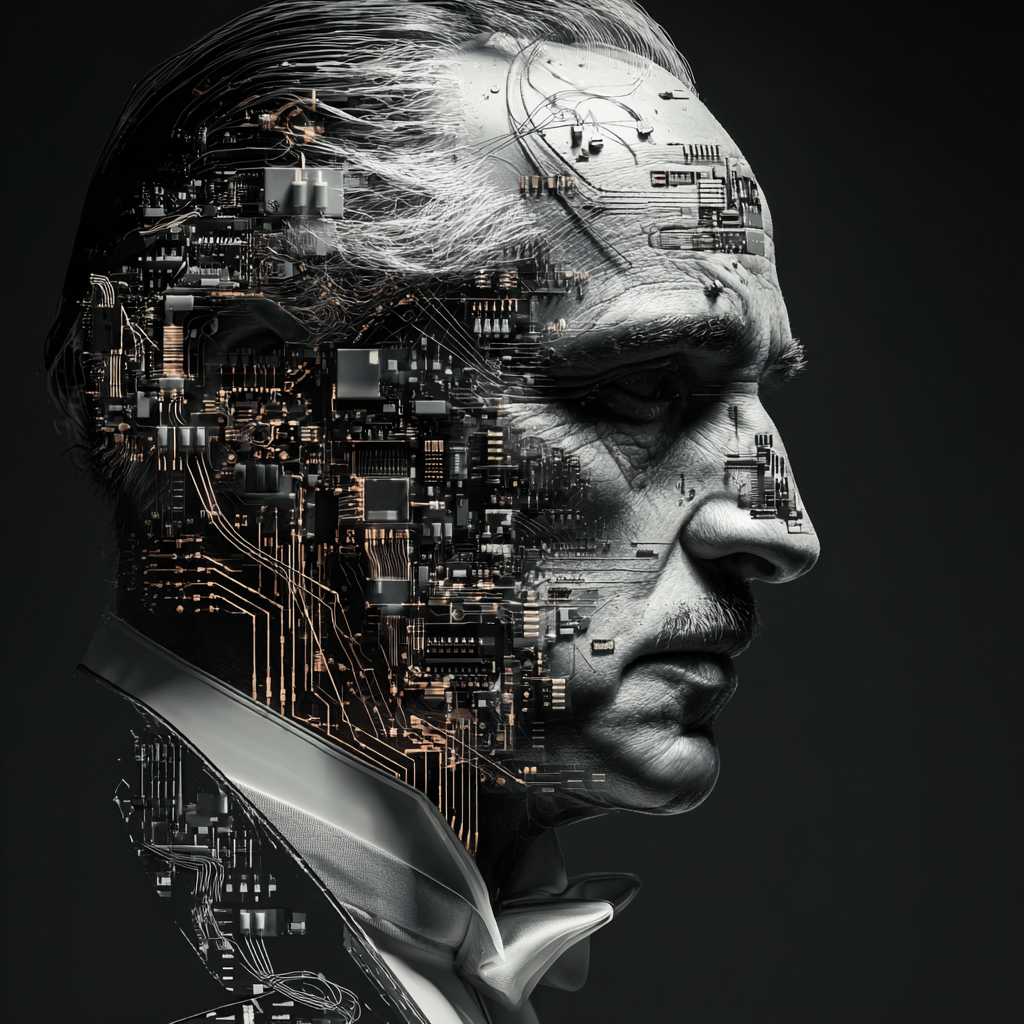

In 2025, artificial intelligence (AI) has evolved beyond just crunching numbers, sorting data, processing information and speeding up everyday tasks—it’s now capable of creating. From art with different styles to stories that match, realistic videos and reliable code, generative AI is shaping up to be one of the most exciting (and arguably, controversial) areas of technology today.
So what exactly is generative AI, and how is it changing the way we live, work and create? Let’s dig deeper into it.
What is Generative AI?
In layman terms, generative AI does more than just analyse existing data—it recognises patterns and then uses them to produce something original. Instead of simply showing you what’s already out there, it creates an entirely new image, a tune, a piece of writing or even working code.
Imagine a person who can read a recipe versus someone who can come up with a brand new dish from scratch—that’s the difference. Generative AI is the latter, trained on countless examples, now capable of putting together fresh creations.

What Happened in 2025?
The past few years, we have seen rapid progress with AI, but 2025 was a watershed moment. Generative AI is now sophisticated enough to be implemented widely across industries—and even in everyday life. Some of the most striking breakthroughs include:
-
Art & Design: Tools like NanoBanana (from Google) can turn a simple idea into a polished image or edit a photo with just a prompt. Designers can now use it for quick mock-ups, while everyday users can create professional-looking visuals without needing advanced skills.
-
Music: Platforms such as Suno AI let you turn a few lines of text into a full song—complete with vocals and instruments. Newer systems like WeaveMuse also help musicians draft melodies or remix genres, opening doors for anyone to experiment with music creation.
-
Writing: From marketers drafting campaigns to novelists shaping dialogues, GPT-5 now can help anyone transform rough ideas into polished text. Even students are finding it useful for structuring essays and revising drafts.
-
Code: For developers, GPT-5 also acts as a coding partner—suggesting fixes, speeding up debugging and even helping to build small apps from scratch. It’s like having an extra pair of hands and eyes on the project.
-
Video: Tools like Veo 3 and Sora 2 are making video creation simpler. Whether it’s generating a short clip for social media or experimenting with cinematic visuals, these platforms allow creators to bring ideas to life quickly—no big production crew needed.
To stay ahead in this ever-evolving landscape, Media Futura has since launched its all-in-one AI model designed to streamline every step—from concept to creation—across industries.
How Industries Are Adapting
Generative AI may seem like a novelty, but it’s not—it’s being applied and it’s changing how industries operate.
-
Marketing & Advertising: Campaigns that once took weeks can now be prototyped in days. AI helps tailor visuals and messaging for specific audiences, making content more personal and engaging.
-
Entertainment: Filmmakers are using AI for concept art, script development and even visual effects. Game developers are generating 3D characters and environments faster than ever before.
-
Education: AI tools are creating personalised learning materials, from simplified explanations of tough concepts to interactive quizzes designed for each student’s pace.
-
Software Development: Generative AI is shortening development cycles by helping teams generate functional code, freeing them up to focus on strategy and design.

The Opportunities for Everyday People
A common misconception about generative AI is that it’s built for big companies. However, that’s further from the truth because AI is becoming accessible to anyone with a phone or laptop.
-
Anyone can generate unique digital art to decorate your home or use as a profile picture.
-
Writers can overcome creative blocks by asking AI for prompts or alternative endings.
-
Musicians and hobbyists can create backing tracks without needing a full band or studio.
-
Students can ask AI to explain a tricky concept in simpler terms or generate practice problems.
In short, it’s putting creative power into more hands than ever before, even if you’ve never studied design, music or coding.
The Challenges and Questions
As with most inventions, generative AI is also faced with big questions that society is still grappling with.
-
Ownership: Who owns an image or song created by AI—the user, the company behind the AI, or no one at all?
-
Authenticity: As AI-generated content grows more realistic, it’s becoming harder to distinguish what’s human-made and what isn’t.
-
Creativity vs. Convenience: There’s concern that relying too much on AI could discourage people from developing their own creative skills, or worse yet, adversely impact their cognitive abilities.
-
Ethics: From deepfakes to misinformation, generative AI has the potential to be misused in harmful ways.
The Bottom Line
Generative AI in 2025 represents a shift in how we think about creativity. It shouldn’t be perceived as a replacement for human imagination, but as a catalyst to expand it. Think of it like a partner that can spark ideas, speed up production and open creative doors for people who might not have had access before.
Whether you’re a professional in design, marketing or software, or simply someone curious about new ways to express yourself, generative AI is becoming a tool worth exploring. The real question isn’t whether AI can create, but how you’ll choose to create with it.