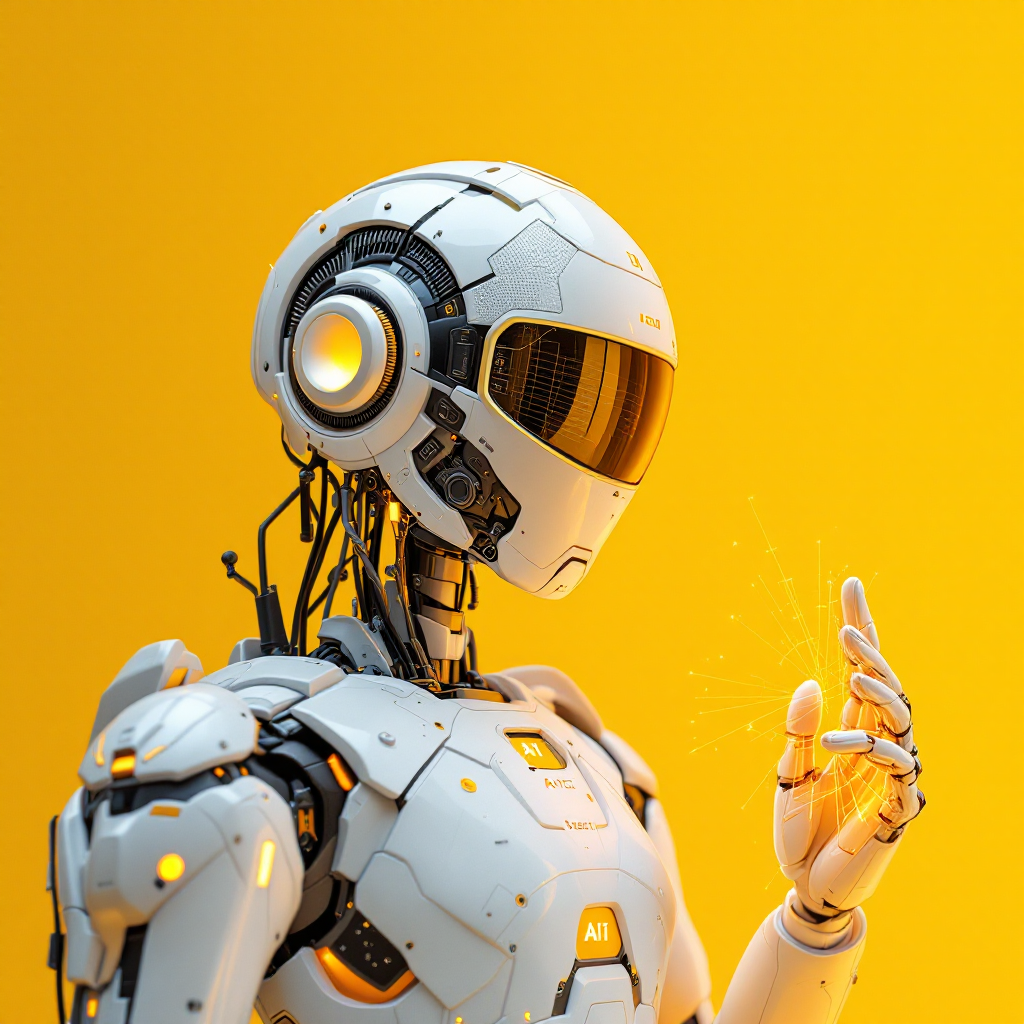

At the recent World Humanoid Robot Games, spectators witnessed history: two autonomous machines ran the 100-metre sprint in under 9.58 seconds, with the fastest stopping the clock at a jaw-dropping 8.64 seconds. For context, that shatters Usain Bolt’s human world record. Half of the events at the games were direct copies of the human Olympics and Paralympics—spanning track and field, weightlifting, football, and boxing.
However, behind the high-octane spectacle lies a fundamental question: is humanoid robot technology merely a novelty built for stadium crowds, or will these advancements meaningfully assist humans in everyday life?
(Source: CNA YouTube channel)
The Real Breakthroughs Behind the Spectacle
To run at nearly 40 km/h without falling apart requires massive engineering leaps. The advancements showcased on the track aren't just for sports; they represent core engineering hurdles that have held robotics back for decades.
High-Speed Dynamic Balance
Maintaining equilibrium at sprint speed demands sub-millisecond sensor feedback loops and explosive dynamic balance. The actuators developed to keep a sprinting robot upright are identical to those needed in modern prosthetics and exoskeletons to prevent elderly individuals or mobility-impaired patients from falling.
Advanced Thermal and Energy Management
Pushing metallic limbs to human-beating speeds places extreme demands on internal components. Engineers are developing lightweight battery chemistries and rapid thermal dissipation systems. These developments directly transfer to lighter, longer-lasting medical devices and industrial equipment.

From the Track to the Workplace: Practical Applications
While a sprinting robot makes for fantastic headlines, the underlying humanoid robot technology is engineered with real-world utility in mind.
The true power of this technology moves far beyond athletic arenas:
-
Healthcare and Elderly Care: The balance algorithms that help a robot absorb impact on a running track enable robotic assistants to gently support patients during physical therapy or safely lift individuals out of bed.
- Disaster Response and Search & Rescue: Athletic humanoids can cross uneven debris, climb steep stairs, and enter structurally unsafe buildings where human emergency services cannot tread.
-
Manufacturing and Warehouse Logistics: High-speed motion control combined with advanced computer vision allows humanoids to pick, pack, and sort goods in logistics hubs at speeds traditional automation cannot match.
The Real-World Obstacles Ahead
Despite breaking athletic world records, deploying autonomous humanoids into everyday environments is far from simple. High-profile demonstrations often obscure the major hurdles engineers still face:

|
Challenge |
Sporting Arena |
Real-World Environment |
|
Environment |
Flat, predictable track surface |
Unstructured, unpredictable rooms and streets |
|
Task Complexity |
Straight-line sprinting or targeted tasks |
Delicate, variable tasks (e.g., handling glassware) |
|
Safety Requirements |
Padded crash mats at the finish line |
Soft-touch compliance around vulnerable humans |
The next leap in humanoid robot technology isn't running faster—it's developing fine motor skills, touch sensitivity, and context-aware artificial intelligence.

A Glimpse into Our Robotic Co-Existence
The Robot Olympics might look like futuristic entertainment, but it serves as a rigorous proving ground. The same actuators that broke Usain Bolt's record will soon power mobility aids, assist caregivers, and handle hazardous industrial jobs. The transition from the track to the real world is already underway.
What are your thoughts on humanoid robot technology? Would you feel comfortable having an autonomous assistant in your home or workspace? Leave a comment below and share your thoughts!